Understanding the Core Differences
When you decide how to build your online presence, the two main routes are WordPress and a fully custom‑coded solution. Both can deliver a professional site, but they differ dramatically in cost, flexibility, scalability, and day‑to‑day management.
Cost Considerations
- WordPress: Low upfront fees; many themes and plugins are free or inexpensive. Development time is shorter, which reduces labor costs.
- Custom Code: Higher initial investment because every feature is built from scratch. Ongoing maintenance may require a dedicated developer, adding to long‑term expenses.
Flexibility & Control
- WordPress: Offers thousands of plugins that extend functionality quickly. However, you’re limited to what the ecosystem provides, and deep customizations can become complex.
- Custom Code: Gives you total control over architecture, design, and integrations. You can create unique user experiences that aren’t constrained by third‑party tools.
Scalability
- WordPress: Scales well for small to medium traffic sites when paired with proper hosting and caching solutions. Very high traffic may require extensive optimization or a shift to a more robust platform.
- Custom Code: Built to scale from the ground up. You can design the database, API layers, and server infrastructure to handle massive loads, making it ideal for fast‑growing enterprises.
Ease of Management
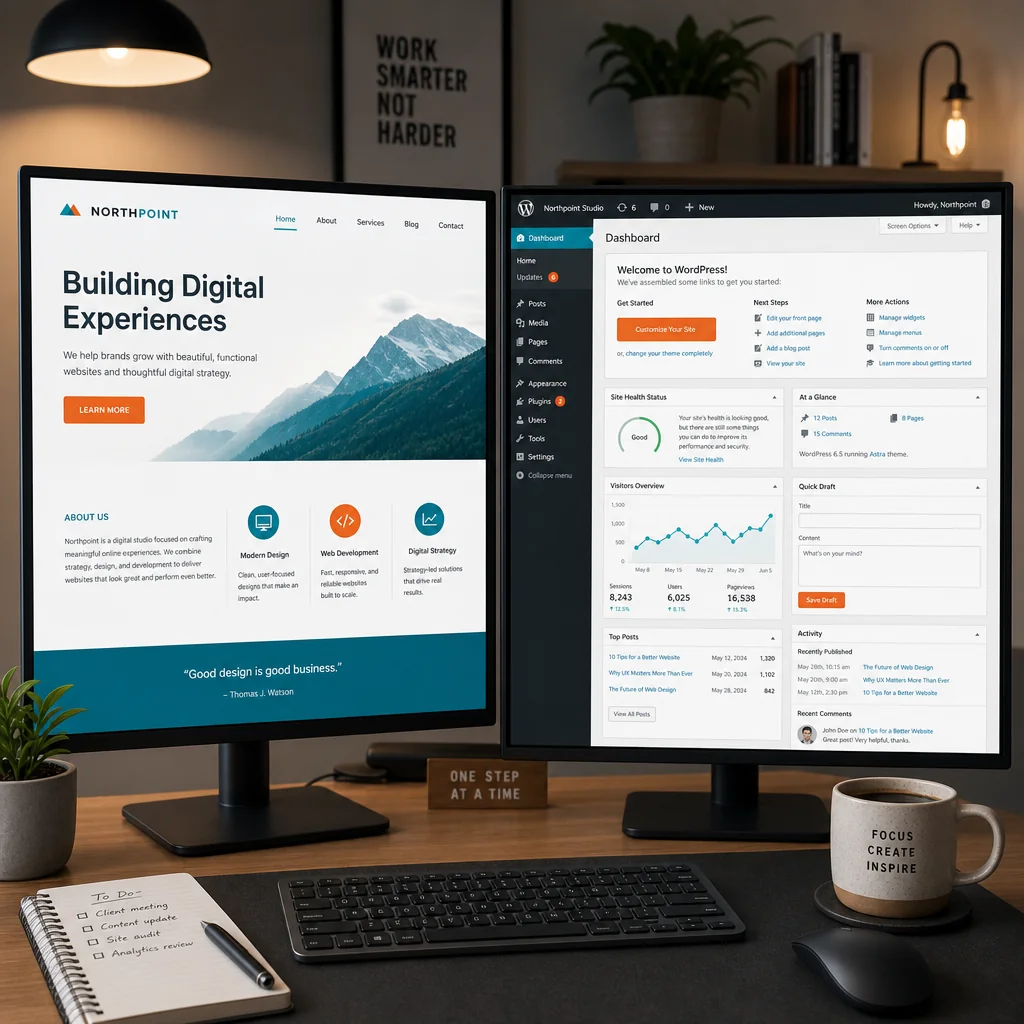
- WordPress: User‑friendly dashboard lets non‑technical owners update content, add pages, or install new plugins without developer help.
- Custom Code: Typically requires a developer for updates, security patches, and new features, which can slow down content publishing.
Making the Right Choice
- Choose WordPress if you need a cost‑effective, quickly deployable site with easy content management and you’re comfortable working within a plugin ecosystem.
- Opt for custom code when your business demands unique functionality, expects rapid growth, or requires tight control over performance and security.
By weighing these factors against your budget, timeline, and long‑term goals, you can select the platform that best aligns with your business strategy.